By Rick Cox Realty Group
Owning a historic home in Midlothian means living inside a piece of Chesterfield County's architectural story — and designing it well means honoring that story while making the space genuinely livable for today. From stately Colonials along Old Buckingham Road to well-preserved Craftsman-style homes in the county's older corridors, these properties carry character that simply can't be replicated in new construction. We work with historic home buyers and sellers throughout Midlothian, and we know firsthand how thoughtful interior design preserves value while deepening a home's appeal. These ideas will help you make the most of what makes your home truly one of a kind.
Key Takeaways
- Preserving original architectural details adds lasting value to historic Midlothian homes
- Color and lighting choices have an outsized impact in older, compartmentalized floor plans
- Modern updates and period-appropriate style can coexist beautifully with the right approach
- Furniture scale and material selection matter more in historic spaces than in new construction
Preserve and Highlight Original Architectural Details
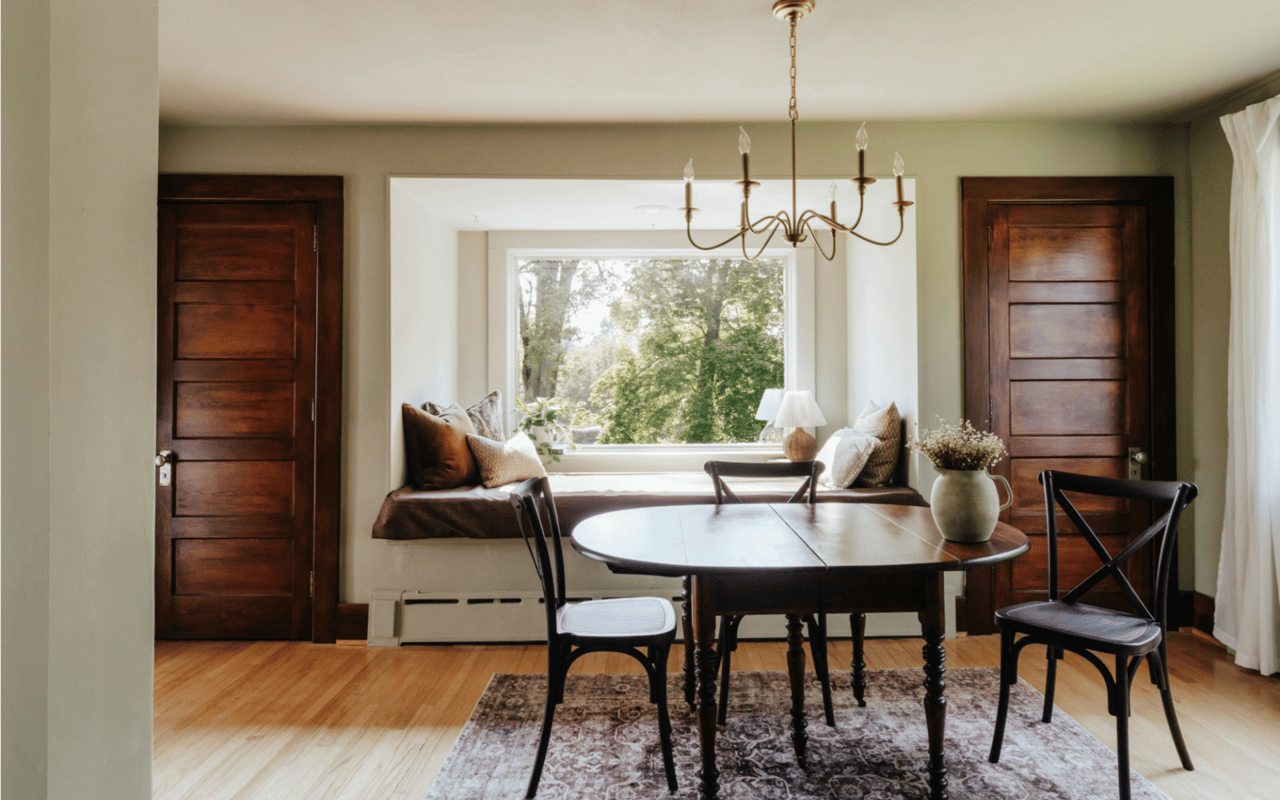
Historic home interior design in Midlothian, VA, often succeeds or fails on one foundational decision: knowing what to keep. Original hardwood floors, crown molding, built-in bookshelves, transom windows, and decorative mantels are architectural assets that buyers respond to — and that define a home's identity in ways no renovation can recreate. The goal is to showcase these elements, not work around them.
Ways to Let Your Home's Best Features Shine
- Restore original hardwood floors rather than covering them with new materials
- Repaint decorative millwork and crown molding in a contrasting or complementary tone to make it read clearly
- Style built-ins as focal points with books, art, and intentional objects rather than clutter
- Anchor room arrangements around original mantels and fireplace surrounds
- Repair original windows where possible rather than replacing them outright
Choose Color Palettes That Complement Your Home's Era
Color is one of the most powerful tools in a historic home, and one of the easiest to get wrong. Older homes in Midlothian — particularly those built between the late 1800s and mid-1900s — respond best to historically informed palettes: warm whites, deep greens, navy blues, ochres, and earthy terracottas. These tones work with the natural light patterns of older floor plans, which often feature smaller windows and more defined room divisions.
Color Choices That Work in Older Midlothian Homes
- Warm off-whites and cream tones in rooms with limited natural light
- Deep, saturated hues in formal dining rooms and studies for a period-appropriate feel
- Muted greens and sage tones in kitchens and breakfast rooms
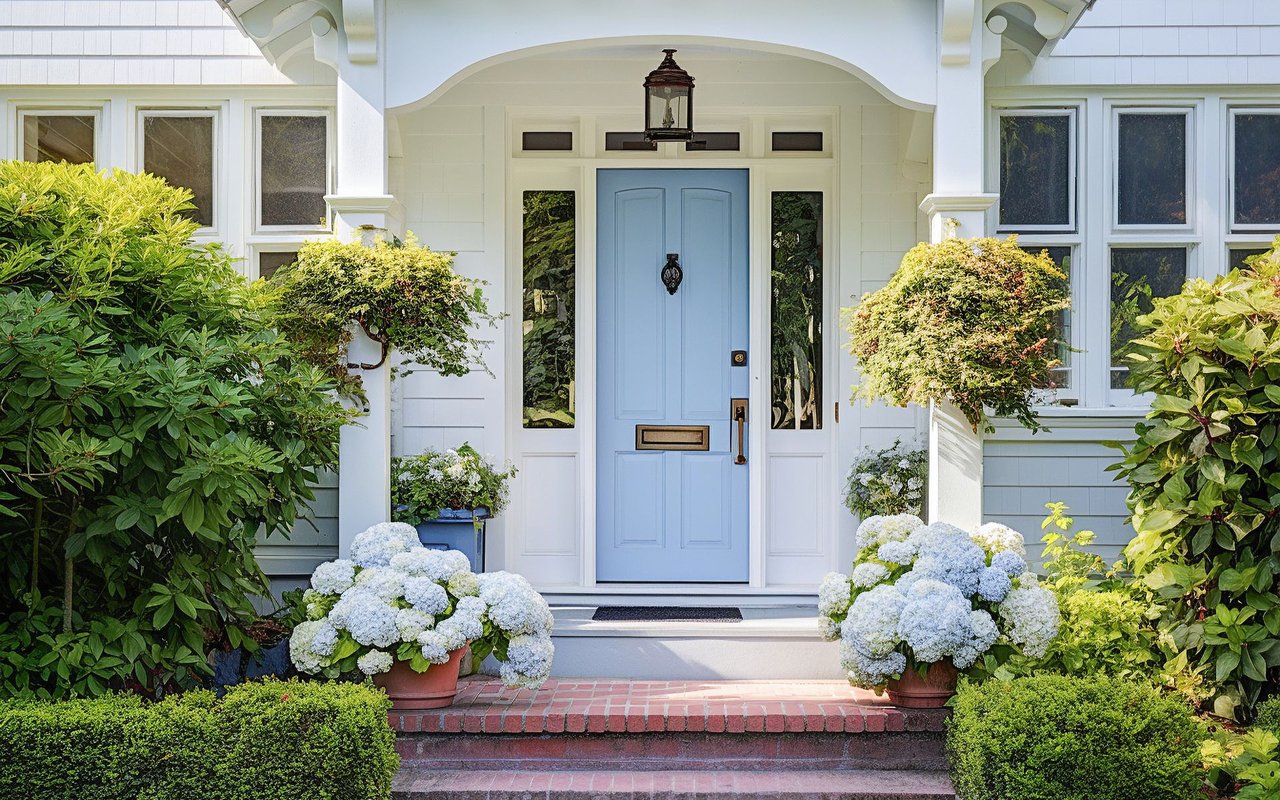
- Navy or slate blue as an anchor in bathrooms and entryways
- Natural wood stains and limewash finishes on accent walls and built-ins
Blend Modern Comfort With Period-Appropriate Style
The goal in a historic home isn't to create a museum — it's to make the space feel genuinely lived-in and current while respecting what's already there. Modern lighting, updated plumbing fixtures, and contemporary textiles can all coexist with period architecture when the choices are intentional. In established Midlothian communities like Salisbury, where homes carry decades of character, this balance is what separates a home that feels timeless from one that simply feels old.
Smart Modern Updates That Respect Historic Character
- Replace overhead fluorescents with warm-toned recessed or pendant lighting
- Choose plumbing fixtures in unlacquered brass, oil-rubbed bronze, or matte black
- Layer natural textiles — linen, wool, and cotton — for warmth without a sterile feel
- Use area rugs to define zones in formal or compartmentalized room layouts
- Incorporate contemporary art as a deliberate counterpoint to traditional architectural details
Match Furniture Scale to Your Rooms
Historic floor plans were built for furniture proportions that differ significantly from what fills most modern showrooms. Oversized sectionals, low-profile platform beds, and sprawling dining tables can overwhelm rooms with 8- or 9-foot ceilings, narrower doorframes, and formal layout conventions. Choosing furniture that fits the actual scale of the space is one of the most overlooked decisions in historic home decorating — and one of the most impactful.
Furniture Principles Worth Following in Historic Homes
- Choose sofas and chairs with visible legs and defined silhouettes over bulky upholstered pieces
- Scale dining tables to room dimensions — a round table often works better in a formal dining room than a long rectangular one
- Mix antique and vintage pieces with contemporary ones for a layered, collected feel
- Lean toward four-poster or sleigh beds in bedrooms — they suit older proportions naturally
- Resist over-furnishing; historic rooms breathe better with intentional open space
Frequently Asked Questions
How do we decide which original features are worth preserving versus replacing?
We generally advise preserving anything architecturally distinctive — original floors, trim work, built-ins, and mantels — while updating functional systems like lighting, plumbing, and HVAC. When a feature is too far deteriorated to restore, look for period-appropriate reproductions that maintain the visual integrity of the home without sacrificing livability.
Can we update a historic Midlothian home without losing its character?
Absolutely, and some of the most compelling historic homes in Chesterfield County have been thoughtfully modernized without sacrificing a single original detail. The key is making updates that serve the architecture — choosing finishes and fixtures that feel like they belong rather than ones that draw attention to themselves.
Does interior design affect the resale value of a historic home in this market?
It makes a measurable difference, and we've seen it reflected directly in buyer interest and final sale prices. Homes where historic character has been respected and enhanced consistently attract stronger offers in Midlothian than properties where original details have been removed or obscured by well-intentioned but mismatched updates.
Contact Rick Cox Realty Group Today
Whether you're settling into a historic home you just purchased or preparing one to sell, design decisions carry more weight than most homeowners realize — particularly in a market like Midlothian where character and quality command real value. At Rick Cox Realty Group, we bring deep local knowledge and a genuine appreciation for what makes these properties exceptional.
We're here to help at every stage, from finding the right historic property to presenting it at its best when the time comes to sell. Reach out to us at Rick Cox Realty Group and let's talk about your home and your goals.