Thinking about buying your first rental property in Richmond? It can be an exciting move, but it also comes with more moving parts than many first-time investors expect. If you want to buy smart, avoid costly surprises, and set the property up for long-term success, this guide will walk you through the key decisions that matter most. Let’s dive in.
Start With Richmond’s Rental Basics
Richmond is a real rental market, not just a place where an occasional property gets leased out. U.S. Census Bureau QuickFacts reports 114,293 housing units in Richmond, with an owner-occupied rate of 43.5%, a median owner value of $353,000, and median gross rent of $1,372 for 2020 through 2024. Zillow’s rental data shows an average rent of $1,695 as of June 26, 2026, which tells you current rent estimates may look different depending on the source and time frame.
That difference matters when you are running numbers. A five-year Census measure can help you understand the broader market, while a current market tracker may better reflect today’s asking rents. You will want to compare both and then narrow your estimate based on the specific property type and location.
Match the Property to the Tenant Pool
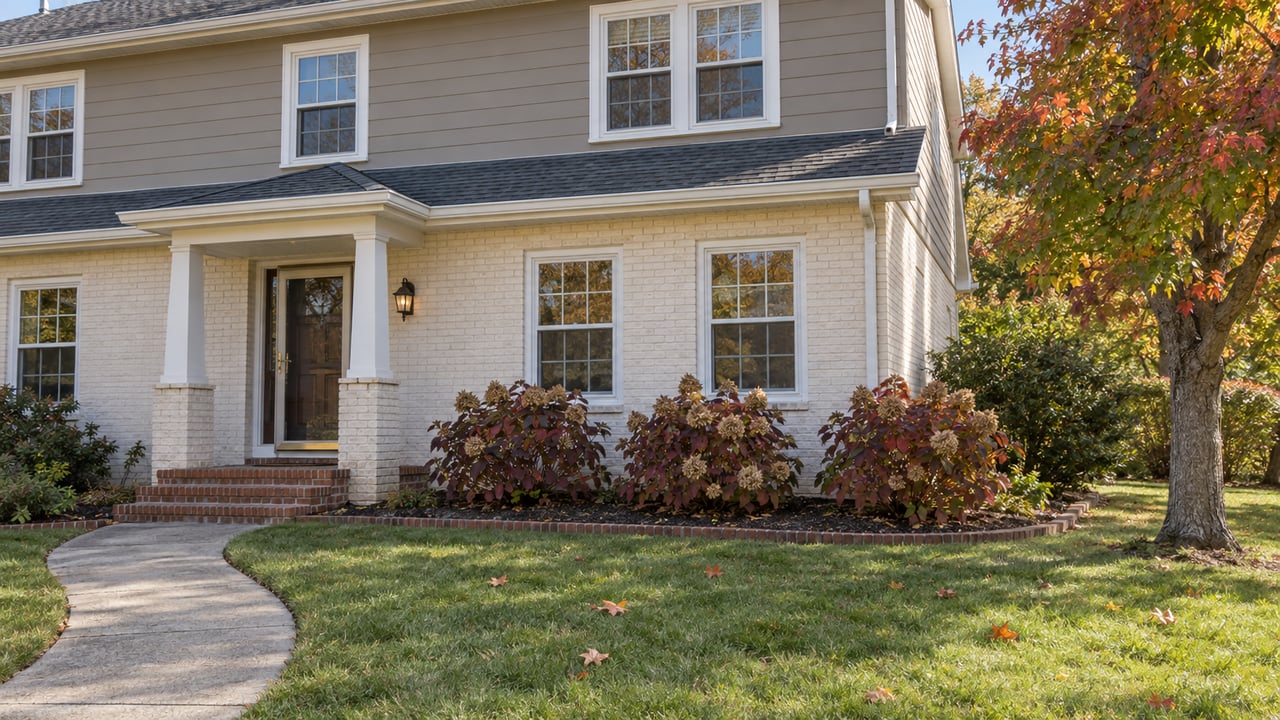
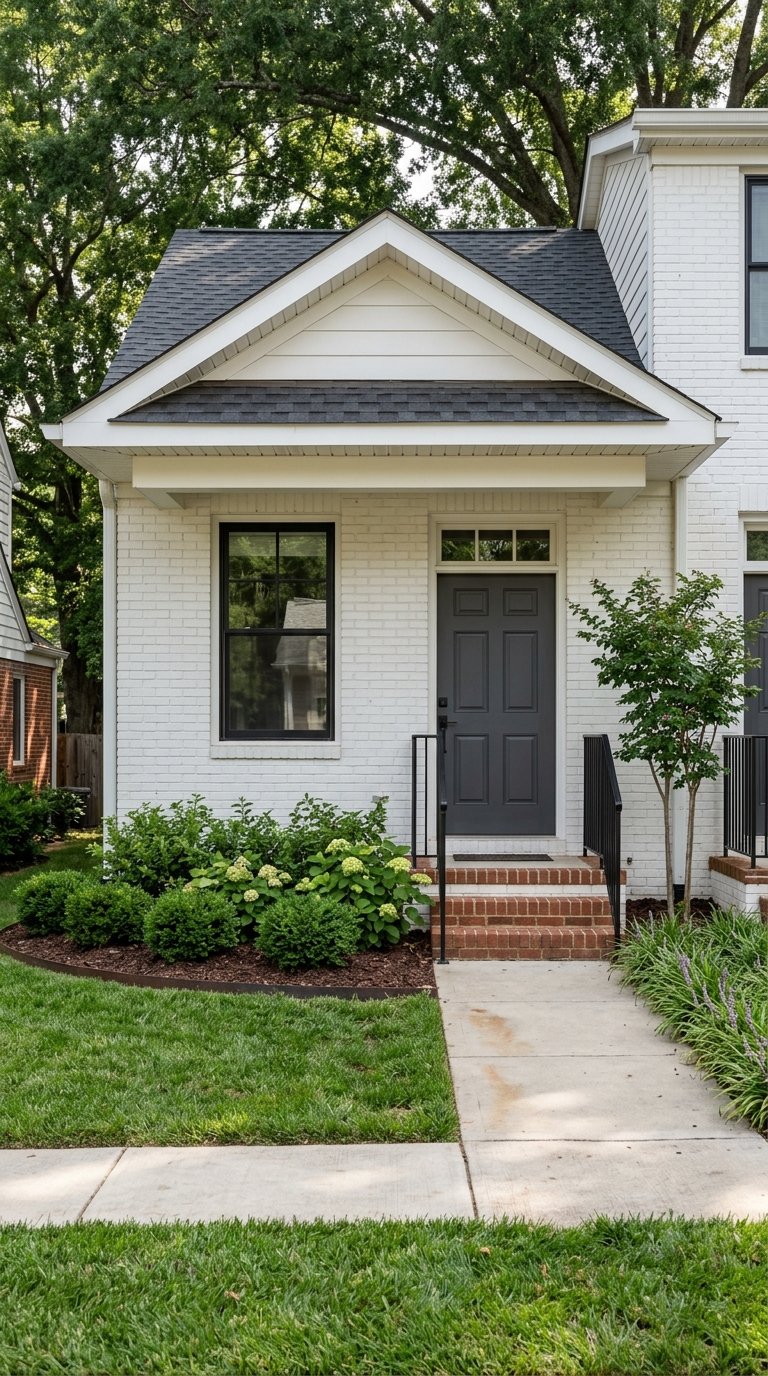
Richmond’s housing stock is mixed, which gives you options but also means you should avoid one-size-fits-all assumptions. Census Reporter shows that 56% of housing is renter-occupied and 52% of structures are single-unit homes. In practice, that means your first rental could be a detached house, an attached home, or a multifamily property depending on your goals.
The key is to start with the likely tenant pool and your exit strategy. A single-family home may attract a different renter than a duplex or small apartment building, and those property types can perform differently over time. If you are converting a home from owner-occupancy into a rental, that creates another layer of planning around financing, condition, and management.
Underwrite for More Than Purchase Price
It is easy to focus on the list price and potential rent, but strong rental decisions go deeper than that. In Richmond, your underwriting should also account for taxes, insurance, maintenance, vacancy, and compliance costs. Those items can change the deal more than many first-time owners expect.
For example, Richmond real estate taxes are billed against assessed value at $1.20 per $100. The city says those taxes are billed in two installments, currently due January 14 and June 14. If a property may be in a mapped flood area, flood insurance could become part of your monthly cost structure too.
Know Virginia Landlord Responsibilities
Before you buy, make sure you understand what rental ownership requires under Virginia law. The Virginia Residential Landlord and Tenant Act requires landlords to keep premises fit and habitable and comply with applicable building and housing codes affecting health and safety. It also requires landlords to maintain common areas in multifamily buildings, keep mechanical systems in good working order, prevent moisture and mold problems, provide trash receptacles and removal, provide running water and reasonable hot water, and provide a smoke-alarm compliance certificate at least once every 12 months.
These are not small details you can sort out later. They affect your maintenance budget, vendor planning, and day-to-day operations from the start. If you are buying an older property or one that needs work, these responsibilities should shape your inspection and renovation plan.
Get the Lease Paperwork Right
Virginia law also sets specific rules for lease documentation and deposits. Landlords must provide the signed written rental agreement and the state’s statement of tenant rights and responsibilities within 10 business days of the lease effective date. The law also generally prevents a landlord from filing an unlawful detainer action for an alleged lease violation until that statement has been provided.
Security deposits matter too. Virginia caps the security deposit at two months’ periodic rent and requires an itemized deposit disposition within 45 days after move-out. If you plan to self-manage, you need systems that keep this paperwork organized and timely.
Follow Richmond Property Maintenance Rules
State law is only part of the picture. Richmond’s property-maintenance rules add a local layer that owners need to respect. According to the city, code enforcement inspections can cover the house, garage, shed, yard, sidewalks, and alleys.
The city highlights common maintenance issues such as trash removal, grass and weeds under 12 inches, structurally sound buildings, and safe stairs, porches, decks, balconies, handrails, and guardrails. If violations are not corrected, the city says the responsible party may be summoned to court, and corrective work can lead to a tax lien. That makes ongoing upkeep a financial issue, not just a cosmetic one.
Watch Out for Vacancy and Derelict Status
If your plan involves a renovation period before the home is rented, pay close attention to vacancy rules. Richmond says a building that has been continuously vacant for more than 12 months and meets the state definition of derelict must be registered with the Commissioner of Buildings. The city lists a $100 annual fee and civil penalties for failure to register.
This may not apply to every project, but it is important if you are buying a fixer-upper or delaying occupancy. Checking this status early can help you avoid a surprise cost or compliance issue later.
Put Flood Risk Into Your Review Early
Flood risk is one of the most important local due-diligence items in Richmond. The city says it participates in the National Flood Insurance Program, maintains Flood Insurance Rate Maps, discourages building in the floodplain, and requires flood insurance for residential development in the floodplain. The city also notes that lenders may require flood insurance when a property is in a floodplain.
For you, that means flood maps and insurance quotes should be part of the purchase review before you commit. A property that looks good on paper can change quickly if insurance costs are much higher than expected.
Understand New Rental Inspection Risks
Richmond has added a new layer of rental oversight with its Residential Rental Inspection Program. In November 2025, the city announced it would spend the next six months creating the process for requesting a Rental Inspection District. The city also said these districts would require separate Council action after review of factors such as building-code or health violations, public-safety responses, or tenant petitions.
That does not mean every rental will face the same process right away. It does mean neighborhood-level code history and inspection risk should be part of how you compare areas of the city.
Pay Attention to Older Homes
Richmond has many older homes, and that can create lead-based paint concerns. The city says homes built before 1978 can be tested for lead hazards. It also notes that lead-hazard control resources are available for city owners and landlords.
If you are looking at an older property, ask more questions during due diligence. This is especially important if your business plan depends on light updates rather than a full renovation, since hidden issues can affect both your timeline and your budget.
Look Into Richmond Tax Abatement
If you are considering a rehab-heavy project, Richmond may offer a valuable incentive. The city says qualifying rehabilitated or replaced structures can receive a 10-year real estate tax abatement. Its property-maintenance information also notes that major rehabilitations of older property may qualify for up to 10 years.
This will not apply to every deal, but it can materially change the numbers on the right property. It is worth asking early whether a planned renovation might fit the city’s current rules.
Know the Difference Between Long-Term and Short-Term Rentals
If you are thinking about using the property as a short-term rental, do not assume the rules are the same as a standard lease. Richmond’s short-term rental ordinance, adopted September 25, 2023, requires the operator to be the property owner. In residential zoning districts, the short-term rental must be on the operator’s primary-residence lot, and only one short-term rental is allowed per lot in a residential zoning district.
The city also requires a biennial permit with a $600 fee, along with safety and advertising rules. If your goal is traditional rental income from a non-owner-occupied investment property, those short-term rental limits are a major distinction.
Ask the Right Questions Before Closing
A good rental purchase usually comes down to asking sharper questions earlier. Before you move forward, build your team and get specific answers from the professionals involved.
Questions for Your Lender
Ask your lender:
- Is the property being underwritten as a primary residence, second home, or investment property?
- How much cash reserve is required?
- Will flood insurance be required or escrowed?
- If you are converting your current home into a rental, does that change the loan type, occupancy assumptions, or documentation needed?
These details can affect both your approval path and your monthly payment.
Questions for Your Tax Professional
Ask your tax professional:
- What will the annual Richmond real estate tax be at the current assessed value?
- Could the property qualify for Richmond’s tax-abatement rules after renovation?
- If you are moving out of your current home and renting it instead, are there local filing or assessment issues to plan for?
This helps you move beyond rough estimates and budget more accurately.
Questions for a Property Manager
Ask a property manager:
- What is handled in-house versus through vendors?
- How are tenants screened, rent collected, renewals managed, and maintenance coordinated?
- How is compliance handled for Virginia lease-delivery rules and Richmond maintenance expectations?
For many first-time investors, management is where the business either feels simple or becomes stressful. A clear system matters.
Why Management Can Make a Big Difference
Owning a rental in Richmond often means handling three jobs at once: choosing the right property, staying compliant with state and city rules, and running the asset well after closing. Even one property can create a lot of coordination. That is why many investors choose professional support from the beginning.
If you want to buy with a plan, not just a guess, local guidance matters. The team at Rick Cox Realty Group can help you evaluate Richmond investment opportunities and connect the buy-manage-sell process through their investor support and property management resources.
FAQs
What should you check before buying a rental property in Richmond, VA?
- You should review likely rent, property taxes, flood risk, maintenance needs, Virginia landlord obligations, and Richmond-specific code or inspection issues before you buy.
How much is Richmond, VA real estate tax on a rental property?
- Richmond says real estate taxes are billed against assessed value at $1.20 per $100, with current installment due dates of January 14 and June 14.
What does Virginia law require from Richmond, VA landlords?
- Virginia law requires landlords to keep the property fit and habitable, maintain key systems, address moisture and mold issues, provide required lease documents, follow deposit limits, and provide a smoke-alarm compliance certificate at least once every 12 months.
Do Richmond, VA rental properties need flood insurance?
- Some do. Richmond says flood insurance is required for residential development in the floodplain, and lenders may also require flood insurance when a property is in a floodplain.
Can you use a Richmond, VA investment property as a short-term rental?
- Not always. Richmond’s short-term rental rules require the operator to be the property owner, and in residential zoning districts the short-term rental must be on the operator’s primary-residence lot, with only one allowed per lot.
Are older Richmond, VA homes a good fit for rental investors?
- They can be, but you should look closely at condition, code compliance, possible lead hazards in homes built before 1978, renovation costs, and whether the property could qualify for a city tax abatement after rehab.