By Rick Cox Realty Group
If you've been thinking about building a house in Midlothian, VA, you're looking at one of the most rewarding — and most complex — real estate decisions you can make. The Midlothian and greater Chesterfield County area continues to attract buyers who want something tailored to their lifestyle rather than whatever happens to be available on the resale market. We work with buyers and builders across this region every day, and what we've learned is that the people who come out ahead are the ones who understand the process before they commit to it. This guide walks you through everything you need to know.
Key Takeaways
-
Building in Midlothian, VA involves navigating land, permits, builders, and timelines simultaneously
-
Chesterfield County has specific zoning and development rules that affect what you can build and where
-
Choosing the right builder matters as much as choosing the right lot
-
Working with a local real estate team from day one protects your investment at every stage
Understanding the Midlothian New Construction Landscape
Midlothian is not a single neighborhood — it's a broad corridor running through Chesterfield County that includes everything from established master-planned communities to rural parcels with room to build exactly what you want. The area stretches from the Swift Creek Reservoir communities near Woodlake and Brandermill all the way out toward Goochland County, giving buyers a wide range of land options and price points to consider.
New construction activity in the Midlothian area has remained strong, with builder-developed communities continuing to emerge along Hull Street Road, Genito Road, and the Coalfield Road corridor. Understanding which parts of the market offer built lots in active communities versus raw land that requires full site development is the first decision you'll need to make.
New construction activity in the Midlothian area has remained strong, with builder-developed communities continuing to emerge along Hull Street Road, Genito Road, and the Coalfield Road corridor. Understanding which parts of the market offer built lots in active communities versus raw land that requires full site development is the first decision you'll need to make.
The Two Main Paths for Building a Home in Midlothian
-
Builder-developed communities: Purchase a lot within an active subdivision where the builder manages infrastructure, HOA structure, and community design standards
-
Custom or semi-custom builds on private land: Purchase a separate parcel and hire your own general contractor or custom home builder
-
Spec homes with customization windows: Buy early in a builder's construction timeline to select finishes, fixtures, and layout options before the home is complete
-
Teardown opportunities: Purchase an existing home on a desirable lot, demolish, and build new — more common in older Midlothian neighborhoods closer to Route 60
What to Know About Land in Chesterfield County
Finding the right lot is the foundation of the entire process, and Chesterfield County has specific regulations that determine what can be built on any given parcel. Zoning classifications, setback requirements, utility access, and soil conditions all affect your build before a single blueprint is drawn. We always recommend a thorough due diligence period on any land purchase before you commit.
Parcels in areas like Moseley, Midlothian Township, and along the Powhite Parkway corridor vary significantly in what's permissible. Some are already served by public water and sewer. Others require well and septic systems, which adds cost and regulatory steps to your timeline.
Parcels in areas like Moseley, Midlothian Township, and along the Powhite Parkway corridor vary significantly in what's permissible. Some are already served by public water and sewer. Others require well and septic systems, which adds cost and regulatory steps to your timeline.
Key Land Due Diligence Checklist
-
Verify zoning classification and permitted use with Chesterfield County Planning
-
Confirm access to public utilities or evaluate well and septic feasibility
-
Review flood zone maps — particularly relevant near Swift Creek and its tributaries
-
Check for any deed restrictions, easements, or right-of-way issues on the parcel
-
Order a soil percolation test if septic will be required
-
Confirm road frontage and driveway permit requirements with VDOT
Choosing the Right Builder for Your Midlothian Home
The builder relationship will define your experience from contract to closing, so this decision deserves serious research. The Midlothian market is served by a mix of national production builders, regional semi-custom firms, and local custom home builders — each with different processes, price points, and levels of buyer involvement. There is no single right answer, but there is a right fit for each buyer's goals and budget.
We always encourage our clients to visit completed homes, talk to past buyers, and read contracts carefully before signing. Builder contracts are written to protect the builder, and having experienced representation before you sign anything is one of the most valuable things we can offer.
We always encourage our clients to visit completed homes, talk to past buyers, and read contracts carefully before signing. Builder contracts are written to protect the builder, and having experienced representation before you sign anything is one of the most valuable things we can offer.
Questions to Ask Every Builder Before You Sign
-
What is your average time from contract to closing, and what causes delays?
-
What is included in the base price versus what are upgrade costs?
-
How do you handle change orders once construction begins?
-
What warranty do you provide on workmanship, systems, and structural elements?
-
Can we tour homes currently under construction and speak with past clients?
-
Who is the site supervisor, and how often will we have access to them?
Navigating Permits, Timelines, and the Build Process
Building a house in Chesterfield County requires permits at multiple stages — from initial site grading and foundation work through electrical, plumbing, HVAC rough-in, and final inspections. The county's Department of Building Inspection oversees this process, and timelines can vary depending on inspector availability and the complexity of your build. Most new construction projects in the Midlothian area run between eight and fourteen months from permit approval to certificate of occupancy, though custom builds on raw land can take longer.
We help our clients stay informed throughout the build so that nothing comes as a surprise. Delays are common in new construction, and knowing what to expect — and what to push back on — makes a significant difference in how smoothly the process goes.
We help our clients stay informed throughout the build so that nothing comes as a surprise. Delays are common in new construction, and knowing what to expect — and what to push back on — makes a significant difference in how smoothly the process goes.
Typical Phases of the Build Process
-
Site preparation: grading, clearing, and utility connections
-
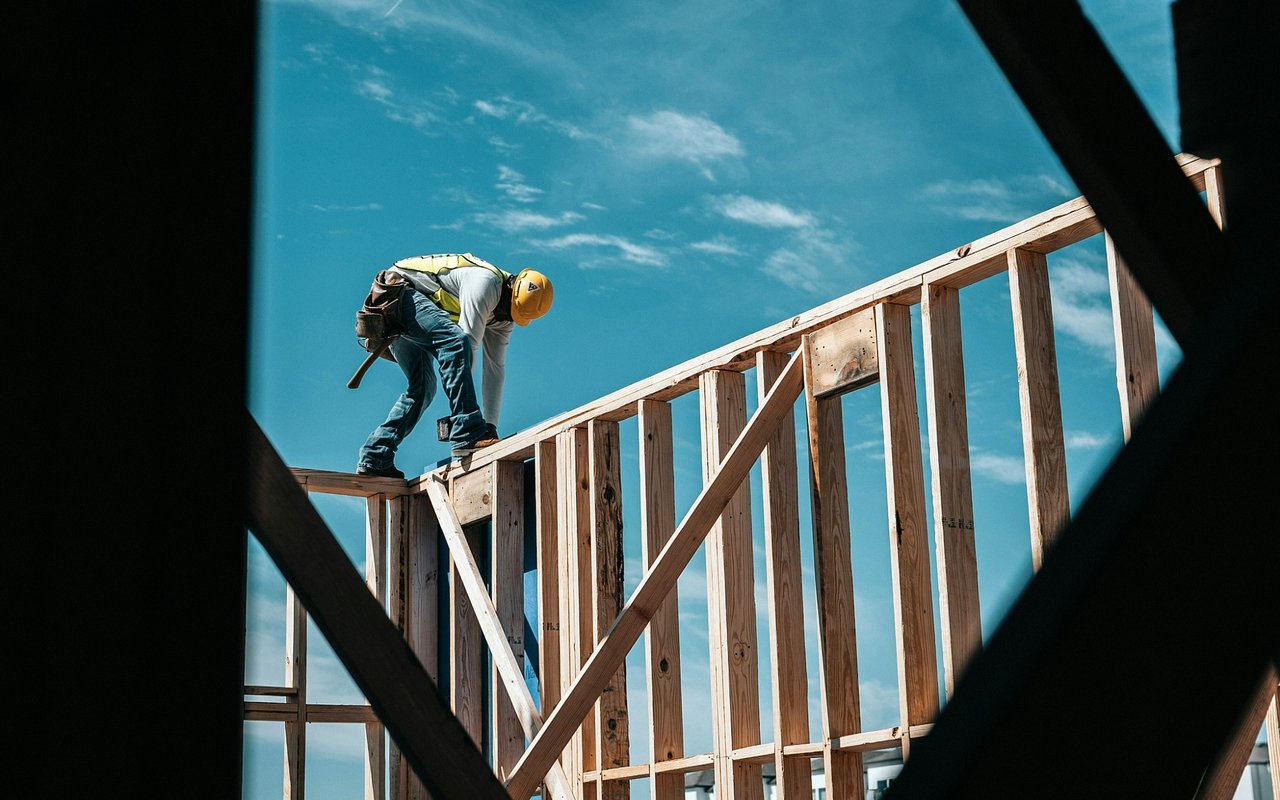
Foundation and framing
-
Rough mechanical installations: plumbing, electrical, HVAC
-
County inspections at key milestones
-
Insulation, drywall, and interior finishes
-
Exterior completion: roofing, siding, landscaping
-
Final walkthrough, punch list, and certificate of occupancy
Frequently Asked Questions
How much does it cost to build a house in Midlothian, VA?
Costs vary widely depending on lot price, builder, square footage, and finish level, but most buyers building in the Midlothian area today should budget somewhere between $200 and $400 per square foot for the home itself — not including land. We work with buyers across a range of budgets and can help you understand what's realistic for your goals before you commit to a land purchase or builder contract.
Do we need a real estate agent if we're buying directly from a builder?
We strongly recommend it. Builder sales representatives work for the builder, not for you, and the contract you'll be asked to sign is written in the builder's favor. We represent your interests throughout the new construction process at no additional cost to you in most cases — and having us in your corner during negotiations, inspections, and the final walkthrough can make a meaningful difference in your outcome.
How do we finance a new construction home in Chesterfield County?
Financing a build is different from a traditional home purchase and depends on whether you're buying in a builder's community or building on your own land. Builder community purchases typically use a standard mortgage with extended rate lock options. Custom builds on private land usually require a construction loan that converts to a permanent mortgage upon completion. We can connect you with lenders experienced in Chesterfield County new construction financing to walk you through both paths.
Contact Rick Cox Realty Group Before You Build
Building a house in Midlothian, VA is one of the most exciting things you can do — and one of the most complicated if you go in without the right guidance. Every stage of the process, from identifying the right land to negotiating your builder contract to managing the final walkthrough, benefits from having an experienced local team in your corner.
Before you visit a model home or make an offer on a lot, reach out to us at Rick Cox Realty Group. We know this market, we know the builders operating in it, and we're here to make sure your new construction experience in Midlothian ends exactly the way it should — with a home built for your life.
Before you visit a model home or make an offer on a lot, reach out to us at Rick Cox Realty Group. We know this market, we know the builders operating in it, and we're here to make sure your new construction experience in Midlothian ends exactly the way it should — with a home built for your life.